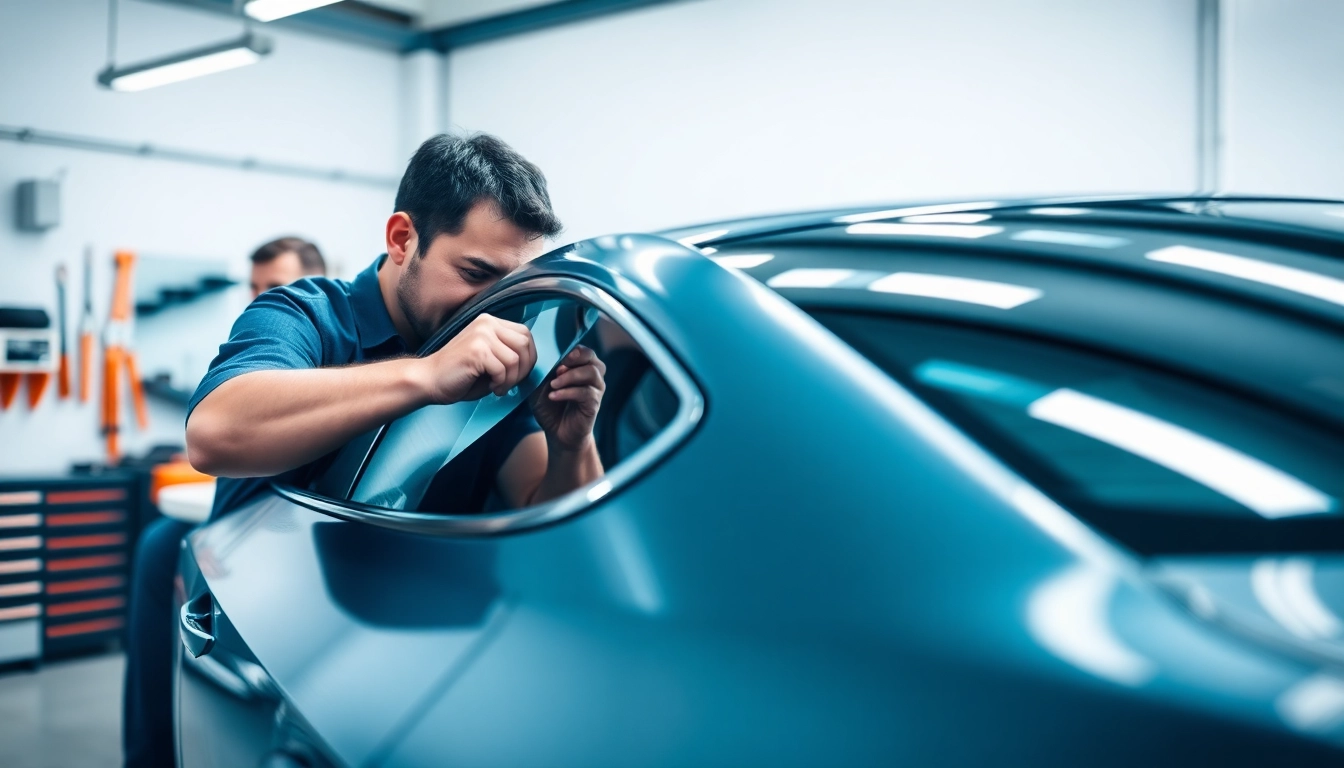
Understanding Window Tinting
What Is Window Tint?
Window tinting refers to the application of a thin film to the windows of vehicles or buildings that serves various practical and aesthetic purposes. This film, composed of polyester with various layers, provides benefits such as reducing glare, blocking UV rays, and enhancing privacy. The choice of tint varies based on thickness, color, and the degree of light transmission, allowing users to customize their experience based on personal preferences and specific needs.
Benefits of Window Tinting
Window tinting offers numerous advantages that extend beyond mere aesthetics. Here are some key benefits:
- Heat Reduction: Tinted windows can reduce the heat entering a vehicle, creating a cooler and more comfortable environment, especially during hot days.
- UV Protection: The film can block up to 99% of harmful ultraviolet (UV) rays, protecting passengers and upholstery from sun damage.
- Privacy and Security: Tinted windows provide increased privacy for occupants while also making it harder for potential thieves to see valuables inside.
- Glare Reduction: Reducing glare from sunlight and headlights can enhance visibility, particularly for drivers, leading to safer driving conditions.
- Aesthetic Appeal: Window tinting adds a stylish and sleek look to vehicles and buildings, enhancing their overall appearance.
Types of Window Tint Available
Window tint comes in different types, each designed to cater to specific needs and preferences:
- Dyed Window Film: This type uses a dye process to provide color and reduce glare while also blocking some UV rays.
- Metalized Window Film: Incorporating metal particles, this film reflects heat and UV rays, providing enhanced durability and privacy.
- Ceramic Window Film: This advanced option offers high performance with minimal interference with electronic devices and provides excellent heat and UV rejection.
- Hybrid Window Film: Combining features of dyed and metalized films, hybrid films offer a balance of performance and aesthetics.
Finding Window Tint Near Me: What to Look For
Research Local Providers
When searching for a window tint near me, start by researching local service providers. Look for companies that specialize in automotive or residential window tinting. Check their websites for information on services, pricing, and the types of films they offer, as well as any warranty or satisfaction guarantees. Local directories and maps can be useful for locating providers nearby.
Read Customer Reviews
Customer reviews are invaluable when assessing the quality of a service provider. Platforms like Google Reviews, Yelp, or specific automotive forums provide insights into client experiences. Look for comments regarding installation quality, customer service, and the durability of the tint. A provider with consistently positive feedback is likely to offer reliable services.
Explore Certifications and Experience
Inquire about the qualifications and experience of the technicians performing the installations. Certifications from recognized organizations indicate that technicians have undergone training and adhere to industry standards. Experienced providers are often better equipped to handle different types of films and installations, ensuring a higher level of quality and craftsmanship.
The Window Tint Installation Process
Pre-Installation Preparation
Before installation, it’s crucial to prepare the vehicle or building effectively. This includes cleaning the windows thoroughly to remove any dirt, grime, or residues that may impede adhesion. Additionally, consider the climate; warmer temperatures often lead to better adhesion and faster drying times, enhancing the overall installation process.
Step-by-Step Installation Guide
The installation of window tint can vary based on the type of vehicle and tint used, but here’s a general overview:
- Cut the Tint Film: The technician measures and cuts the film to fit the specific window dimensions.
- Apply Solution: A slip solution, usually a mixture of water and a mild soap, is sprayed onto the window and the adhesive side of the film to facilitate positioning.
- Positioning the Film: The film is carefully laid onto the window, allowing it to be adjusted as necessary.
- Squeegee to Remove Air Bubbles: Using a squeegee, the technician pushes out air bubbles and excess solution from between the film and the glass.
- Trimming the Edges: Once the film is securely in place, the edges are trimmed for a clean finish.
- Final Inspection: Ensuring that there are no imperfections, the technician completes the installation.
Post-Installation Care Tips
After installation, maintaining the tint's condition is vital for longevity. Avoid rolling down windows for at least 48 hours to allow the film to adhere properly. When cleaning tinted windows, use a soft cloth and avoid ammonia-based cleaners, which can damage the film. Regular maintenance ensures the tint remains effective and visually appealing.
Legal Considerations for Window Tint
Understanding Local Laws
Before applying window tint, it is essential to understand local laws and regulations regarding tinting. Each state or municipality may have specific rules regarding the allowable tint darkness and reflective properties, which can impact compliance.
Tint Darkness Regulations
Most regions categorize window tint into various levels of darkness, usually measured by Visible Light Transmission (VLT) percentages. Typically, the front windshield must allow a minimum of 70% of light to pass through, while rear windows may have different allowances. Understanding these regulations ensures that your installation meets legal standards and avoids fines.
Legal Consequences of Non-Compliance
Failing to comply with local tint laws can result in penalties, including fines or the requirement to remove non-compliant tint. In some cases, it can even lead to issues during vehicle inspections. By adhering to local regulations, owners can avoid unnecessary hassles and ensure their investments remain protected.
Frequently Asked Questions About Window Tint
How long does window tint last?
Quality window tint can last anywhere from 5 to 15 years, depending on the type of film, installation quality, and environmental conditions.
Can I clean tinted windows immediately after installation?
No, it's advisable to wait at least 48 hours after installation to clean tinted windows to ensure proper adhesion.
Will window tinting affect my car’s warranty?
Generally, window tinting does not affect a vehicle's warranty, but it's essential to check with the manufacturer for specific terms related to modifications.
Can I remove window tint myself?
Yes, you can remove window tint yourself, but it requires patience and the right tools to avoid damaging the glass.
Is dark window tint illegal in my area?
The legality of dark window tint varies by location. Check local laws to determine acceptable tint darkness limits.