
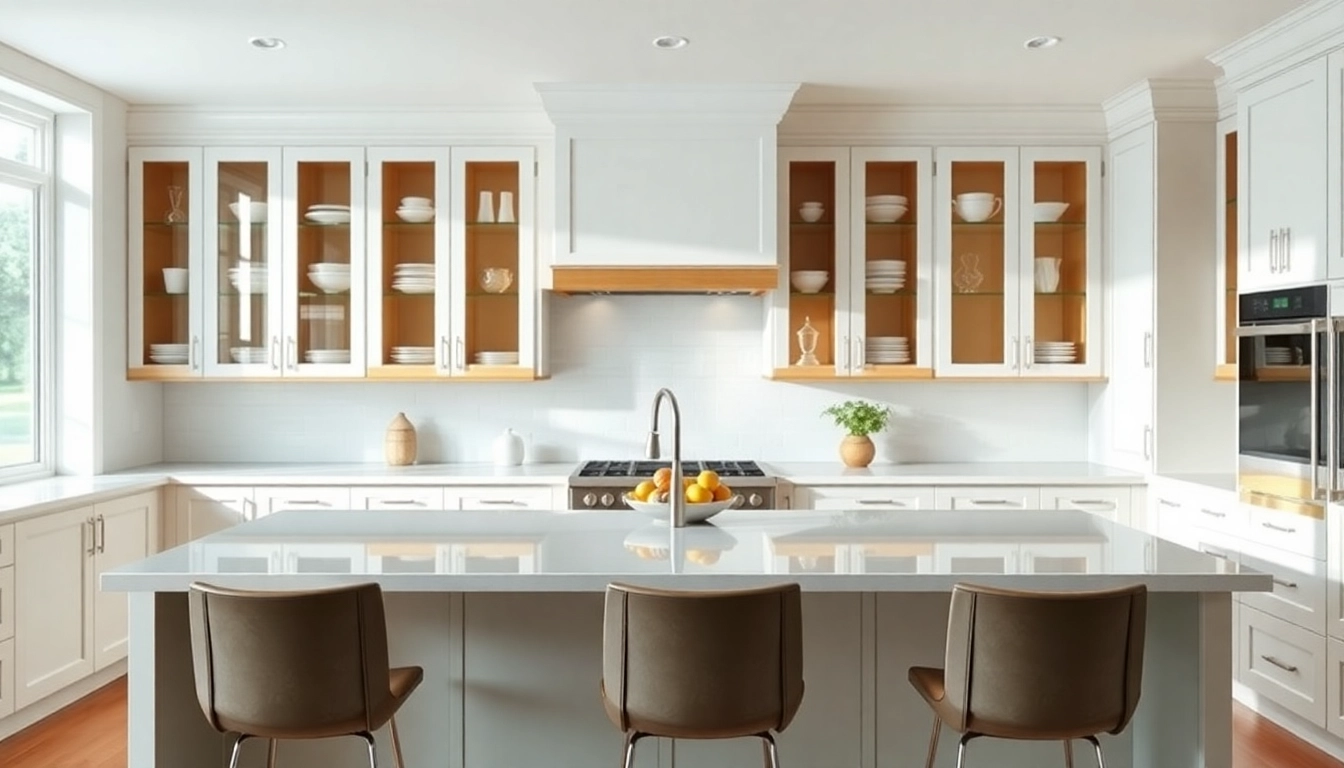
Understanding Custom Kitchen Cabinets
What Are Custom Kitchen Cabinets?
Custom kitchen cabinets are uniquely designed kitchen storage solutions tailored to fit the specific needs and preferences of homeowners. Unlike stock cabinetry, which comes in predefined sizes and styles, custom kitchen cabinets are crafted to exact specifications, allowing for personalized aesthetics, functionality, and space utilization. From the dimensions and layout to the materials and finishes, every aspect of custom kitchen cabinets can be adjusted to meet individual requirements.
Benefits of Custom Kitchen Cabinets
The allure of custom kitchen cabinets lies in their myriad benefits. Firstly, they provide optimized functionality by ensuring every inch of space is utilized effectively. Homeowners can incorporate specialized features such as lazy Susans, pull-out shelves, and integrated lighting. Secondly, their aesthetic appeal is unparalleled as they can be crafted to match a variety of design tastes, whether rustic, modern, or transitional.
Moreover, custom kitchen cabinets often incorporate high-quality materials that enhance durability and longevity compared to their mass-produced counterparts. Additionally, these cabinets can increase the overall value of a home, making it a worthy investment for current or future resale. Lastly, custom solutions cater to unique needs, proving essential for homeowners with specific storage requirements or kitchen layouts.
Materials Used in Custom Kitchen Cabinets
When selecting materials for custom kitchen cabinets, various options are available, each offering its own advantages. Hardwood is a popular choice due to its durability and natural beauty; species like oak, maple, and cherry are frequently used. Plywood is also favored as a more resilient alternative to particle board, providing enhanced stability and resistance to moisture.
For a modern touch, medium-density fiberboard (MDF) is an excellent choice since it can achieve smooth finishes and intricate detailing. Also, laminate and metal offer exciting alternatives, especially for contemporary designs. The selection of materials significantly impacts not only appearance but also quality, affordability, and longevity, making this choice critical during the design process.
Designing Your Custom Kitchen Cabinets
Choosing the Right Style for Your Home
Designing custom kitchen cabinets begins with selecting the right style that complements your home’s overall aesthetic. Traditional styles often feature ornate details, raised panel doors, and rich, dark woods that convey a classic elegance. In contrast, contemporary designs embrace clean lines, minimalistic features, and lighter finishes, fostering a sense of openness.
Transitional designs merge the best of both worlds, incorporating elements from traditional and modern styles to create a balanced look. Consider the architectural style of your home as well as personal preferences in color and texture when making this choice. You can create a cohesive and inviting kitchen space that reflects your personality.
Color and Finish Options for Custom Kitchen Cabinets
The color and finish of custom kitchen cabinets play a crucial role in determining the kitchen’s atmosphere and appeal. A lighter color palette, such as whites or soft pastels, tends to make a space feel larger and more airy. In contrast, dark colors like deep blues or charcoal can create a sophisticated, dramatic ambiance.
Finishes can also vary, ranging from matte to gloss, with each affecting the cabinet’s overall appearance and maintenance requirements. Painted finishes offer versatility, while stained finishes highlight the natural beauty of wood grain. Understanding the implications of these choices allows homeowners to create a personalized kitchen environment.
Integrating Functional Elements
Functionality is a critical aspect of custom kitchen cabinets, and integrating practical elements enhances usability. Consider incorporating pull-out drawers, corner cabinets, and built-in organizers to maximize storage. Accessories like spice racks, pull-out trash bins, and adjustable shelves can significantly enhance efficiency.
Lighting is another essential factor; integrating under-cabinet lighting not only illuminates work areas but also accentuates design features. By marrying aesthetics with functionality, homeowners can create a truly remarkable kitchen experience.
Measuring for Custom Kitchen Cabinets
Essential Kitchen Measurements
Accurate measurements are vital when planning for custom kitchen cabinets to ensure a seamless fit. Begin by measuring the width, height, and depth of the existing space, including walls, windows, and doorways. Keep in mind the height of appliances and counters, allowing for proper clearance and accessibility throughout the kitchen.
Detailing cabinet configurations alongside your plumbing and electrical layouts also aids in accurate planning. Finally, documenting these measurements meticulously ensures that every facet of your new cabinets fits perfectly in the intended space.
Tips for Accurate Measurements
Taking precise measurements is essential, and here are some tips to ensure accuracy. Use a reliable measuring tape and note down each measurement carefully. Measure from multiple points to account for variances in space, especially in older homes where walls may not be perfectly straight.
Always double-check your numbers before finalizing any designs or orders, and consider enlisting a second person to help. This not only streamlines the process but also provides additional peace of mind that no critical measurements are overlooked.
Common Mistakes to Avoid
Several common mistakes can lead to costly errors when measuring for custom kitchen cabinets. One major pitfall is neglecting to account for irregularities in wall shapes or existing structures. Additionally, failing to consider the final trim and flooring heights can cause mismatches in fit. Always remember the significance of considering clearance for doors and drawers to function properly. By avoiding these miscalculations, homeowners can ensure an effective installation of their custom cabinets.
Installation Process for Custom Kitchen Cabinets
Preparing Your Space
Before installing custom kitchen cabinets, it’s vital to prepare the existing space thoroughly. Begin by clearing the kitchen of all items, appliances, and furniture that may impede the installation. Ensure that the walls are free from nails, debris, and any other obstacles.
Next, confirm that all necessary tools and materials are readily available, including screws, a level, and a drill. Finally, checking the floor for evenness will help prevent installation issues down the line. Proper preparation sets the stage for a smoother and more efficient installation process.
Step-by-Step Installation Guide
The installation of custom kitchen cabinets can be approached through a step-by-step method to ensure accuracy and safety. Start by placing cabinets against the wall, ensuring they’re level and properly aligned. Use shims where necessary to accommodate any unevenness.
Next, secure the cabinets together if multiple units are installed, and fasten them to the wall using appropriate hardware. Be mindful of checking for levelness as you progress. Lastly, install doors and drawer hardware, paying attention to the alignment and function. Following this guided approach ensures that your cabinets are both visually and functionally perfect.
Post-Installation Care
After installation, it’s crucial to care for your custom kitchen cabinets properly. Take the time to inspect the installation, ensuring that everything functions as it should. Apply a protective finish if necessary and clean surfaces with appropriate cleaning solutions to avoid damage.
Establishing a regular maintenance routine, including checking for loose fixtures or hardware, keeps your cabinets looking and functioning their best. Proper care enhances their longevity and maintains their aesthetic appeal over time.
Maintaining Your Custom Kitchen Cabinets
Cleaning Techniques for Various Materials
Maintaining the cleanliness of custom kitchen cabinets is essential to keep them looking pristine. For wood cabinets, a gentle cleaner and a soft cloth can effectively remove dirt and grease without damaging the finish. Avoid abrasive cleaners that could scratch the surface.
For painted finishes, a mild soap solution works well, provided that it’s rinsed and dried thoroughly afterward. Glass or metal finishes might require specific cleaners to ensure they remain streak-free. Understanding the unique cleaning needs of each material type preserves the integrity and appearance of your custom kitchen cabinets.
Preventing Wear and Tear
To extend the lifespan of custom kitchen cabinets, preventive measures can be beneficial. Ensure that cabinet doors and drawers are properly aligned to prevent undue stress on hinges and slides. Additionally, avoid overloading shelves, as excessive weight can lead to warping or sagging.
Be vigilant about moisture around cooking areas; using exhaust fans and ensuring proper ventilation can mitigate damage. Periodic inspections and addressing any signs of wear immediately can help maintain the beauty and function of your cabinets over time.
When to Seek Professional Help
While many maintenance tasks can be handled independently, some situations warrant professional assistance. If you notice significant wear or structural issues, consulting a professional can assure proper treatment. Additionally, if your cabinets require refinishing or extensive cleaning, experts can deliver a higher-quality finish.
Professional help may also be necessary when undergoing large-scale renovations involving your cabinetry or if you’re considering complex design changes. Prioritizing expert advice in these scenarios will ensure a successful outcome.
FAQs
How do I choose the right material for my custom kitchen cabinets?
Consider factors like durability, aesthetic preferences, and maintenance requirements. Hardwoods like oak or maple are durable, while MDF can achieve detailed finishes. Selecting the right material depends on style and use.
What styles are available for custom kitchen cabinets?
Styles range from traditional, contemporary, to transitional. Each offers unique characteristics; select a style that matches your home’s architecture and personal taste for a cohesive look.
Can I integrate specialized features into my custom cabinets?
Yes, custom kitchen cabinets can include features like pull-out drawers, built-in organizers, and specialty shelving to enhance functionality and organization according to your specific needs.
How long does the installation process typically take?
The installation duration varies based on the kitchen size and complexity of the cabinetry. Generally, installations can take anywhere from a few days to a week to complete, depending on the project scope.
What maintenance is required for custom kitchen cabinets?
Regular cleaning with appropriate solutions, periodic inspections for wear, and addressing moisture issues are vital for maintaining custom kitchen cabinets. Following a routine care plan helps preserve their beauty.